

Archive for December, 2025
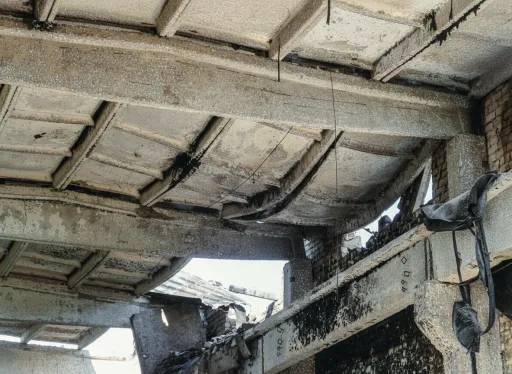
What Really Causes Slab Deflection — And Why Most Builders Ignore It
How Floor Slope Affects Perception of DeflectionOccupants rarely notice small floor slopes, such as 1/100 or less, when walking on carpeted surfaces, so significant deflection can go undetected. Signs like wall cracks, gaps in partition joints, sliding or jamming of drawers and doors, pooling of water, and movement of objects often reveal sagging. These effects […]

The Engineer’s Role During Construction: Why Design Alone Is Not Enough
Construction Oversight Ensures Structural IntegrityA structural engineer’s role does not end at design approval. During construction, engineers review drawings, coordinate with other consultants, and verify that structural works comply with approved plans, building codes, and relevant standards. This oversight ensures the structure is built exactly as designed, safeguarding safety and long-term performance. Managing Site Changes […]


The Hidden Cost of Changing Building Use Without Structural Review
Increased Load Demands on Existing StructuresChanging a building’s use often introduces loads far beyond those originally allowed for in design. Offices are typically designed for about 4 kN/m², while warehouses, restaurants, or industrial spaces impose significantly higher loads from equipment, storage, and occupancy. Without reassessing slabs, beams, columns, and foundations, these increased demands can cause […]
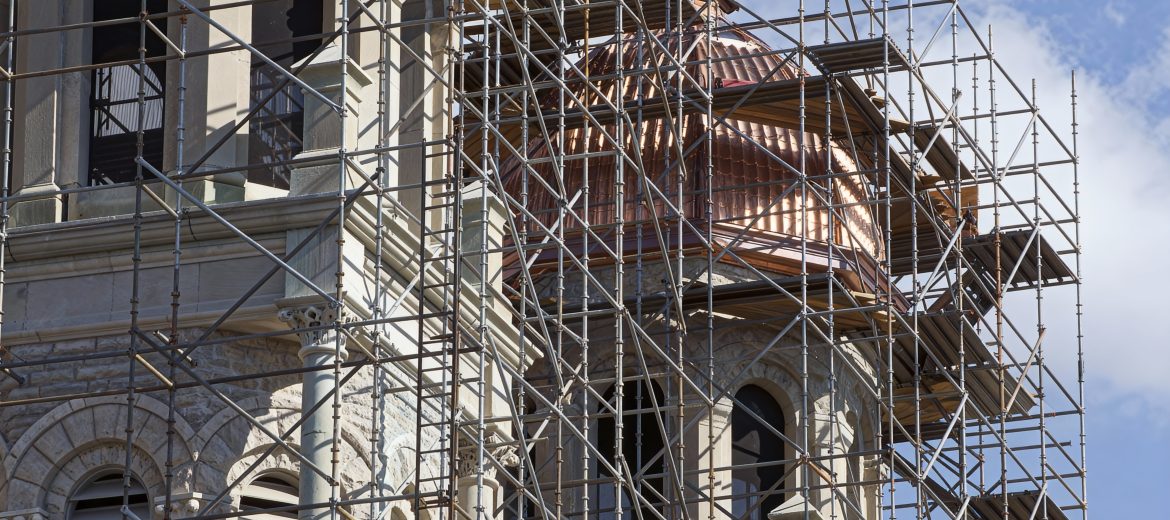
What to Check Before Buying or Renovating an Old Building
Assess Structural IntegrityBefore purchasing or renovating an older property, begin with a detailed structural assessment. Look for cracks in walls, uneven floors, sagging rooflines, or leaning masonry—common indicators of foundation movement or long-term deterioration. A professional structural survey helps uncover hidden issues early, protecting your investment and guiding renovation decisions. Check for Damp, Moisture, and […]
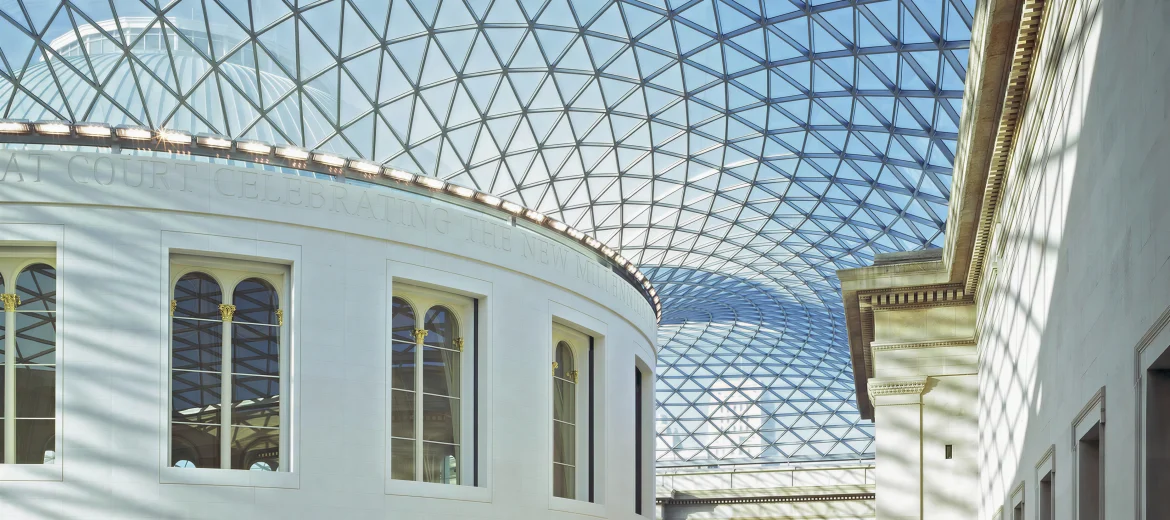
How Engineers Help You Get More Building for Your Money.
Engineers help you save money by analysing load paths, structural behaviour, and layout options to remove unnecessary elements while maintaining safety. Using tools like ETABS, SAFE, and Prokon, they simulate performance and prevent costly over-design. This creates an efficient structural plan that maximizes strength with minimal materials. Cost-Efficient Materials and Construction MethodsEngineers reduce expenses by […]

Design Once, Build Once: The Cost of Skipping Professional Design
At first glance, structural design may seem simple—draw plans, get the permit, build. But poor or rushed design creates major on-site problems. When drawings lack critical details or fail to match actual site conditions, contractors face stop-work situations, material waste, and extra labor to correct errors. Even something like overlooked beam sizing for a large […]

Why Some Buildings Stand Firm While Others Keep Cracking
Structural cracks occur when a building or its components fail to perform as intended. Causes include design errors, construction defects, poor-quality materials, excessive loads, natural disasters, and serviceability issues such as deflection, vibration, or uncontrolled cracking. Early detection and correction protect safety, preserve structural integrity, and prevent costly repairs. Hidden Factors That Lead to Cracks […]

How to Know if Your Building’s Structure Is Safe
Recognizing Structural Issues and AuditsSigns of structural distress may indicate potential safety issues. To ensure your building’s stability, a structural audit by certified engineers is essential. This includes reviewing drawings, conducting visual inspections, and performing non-destructive tests like ultrasonic testing, rebound hammer tests, core sampling, and ground-penetrating radar. Engineers assess beams, columns, slabs, walls, and […]