

What Really Causes Slab Deflection — And Why Most Builders Ignore It

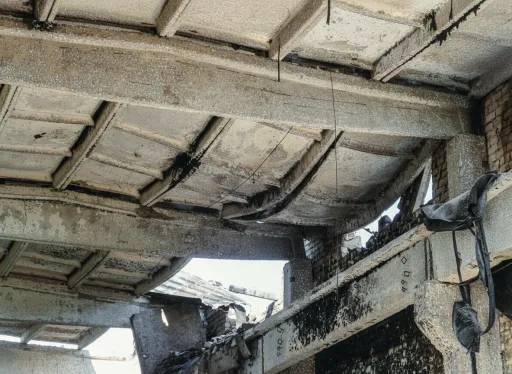
How Floor Slope Affects Perception of Deflection
Occupants rarely notice small floor slopes, such as 1/100 or less, when walking on carpeted surfaces, so significant deflection can go undetected. Signs like wall cracks, gaps in partition joints, sliding or jamming of drawers and doors, pooling of water, and movement of objects often reveal sagging. These effects show how deflection impacts comfort, furniture, and fixtures over time.
Deflection in Reinforced Concrete: Immediate and Long-Term
Reinforced concrete slabs and beams inevitably deflect over time. Deflection begins when props are removed and continues under self-weight, sustained loads, concrete creep, drying shrinkage, and cracking from flexure and temperature changes. Cracks reduce stiffness, allowing gradual sag, especially in flat slabs with limited top reinforcement. Ignoring deflection risks occupant discomfort, pooling of water, and damage to non-structural elements such as partitions.
Why Builders Overlook Deflection — And Why It Matters
Deflection rarely causes immediate failure, so it is often overlooked. Yet excessive deflection leads to cracked finishes, uneven floors, drainage problems, pooling of water, and long-term serviceability issues, making it critical to address in design.
Leave A Comment