

Uncategorized

How Poor Supervision Silently Eats Into Your Construction Budget
Ineffective supervision can quietly drive up construction costs, causing budget overruns and reducing project profitability. When work schedules are poorly planned and daily progress isn’t monitored, materials are wasted, tasks are repeated, and expenses accumulate unnoticed . Proper oversight ensures resources are tracked, work quality is verified, and timelines are maintained to prevent hidden costs […]
Why the Cheapest Builder May End Up Being the Most Expensive
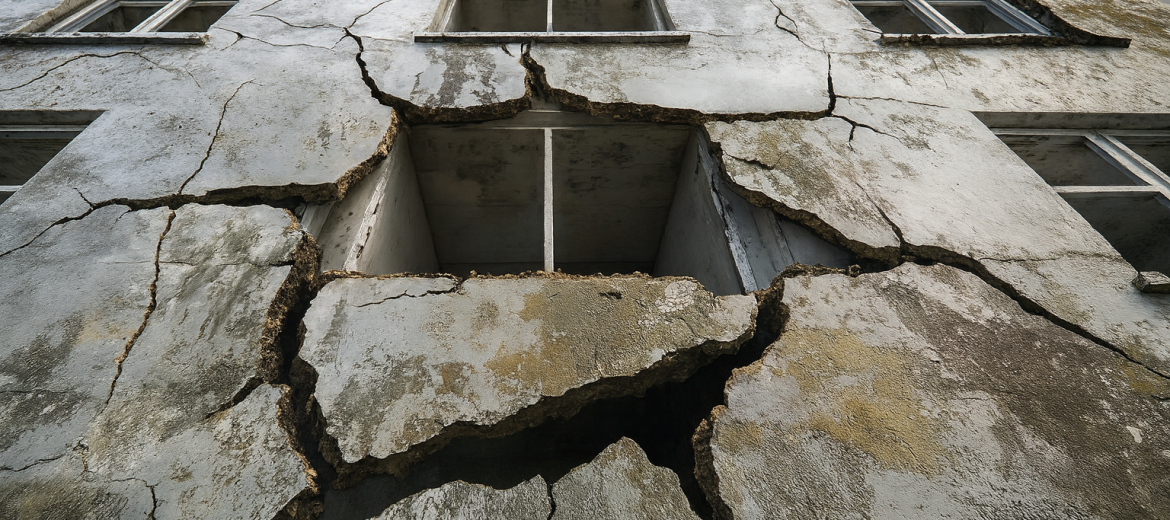
Opting for a budget builder may seem cheaper upfront, but it often results in unsafe, low-quality buildings that lead to high initial building costs and long-term repair expenses. Corner-cutting, substandard materials, and poor construction practices create structural weaknesses, delays, and expensive maintenance. Cost Efficiency, Optimization, and SustainabilityWhereas inexperienced builders lack the technical insight to foresee […]

How Small Design Mistakes Turn into Big Construction Costs
The global construction industry is projected to reach $17.5 trillion by 2030 (14.7% of global GDP), yet design errors remain a major challenge, costing $85 billion annually. These design mistakes account for 40% of construction issues, with total direct and indirect costs reaching $865 billion worldwide. Causes and Impacts of Typical ErrorsTypical errors include inaccurate […]

Simple Ways to Make Your Building Stronger — Without Overspending
Foundation SizingGeotechnical tests ensure precise foundation design, preventing over-engineered and oversized foundations, wasted materials, and costly repairs. Accurate soil assessment minimizes dewatering costs and construction delays ensuring safe and cost-effective building foundations. Structural Optimization TechniquesStructural optimization improves building efficiency and reduces costs:Shape Optimization :Informs structural members’ geometry, suited to the specific primary internal actions, for […]

Can Your Building Handle an Extra Floor? Here’s How to Tell
Foundation Assessment and EvaluationBefore adding bedrooms or an upper office, a licensed structural engineer should inspect your foundation, checking footing depth, width, soil capacity, cracks, and stress indicators . Evaluate slabs, subfloor condition, structural tie-ins, waterproofing, and insulation. Remedial measures may include underpinning, enlarging footings, micro-piles, or reinforced concrete jackets. Load-Bearing Walls and Structural StrengtheningDetermine […]
Thinking of adding another floor? Here’s what you should know first
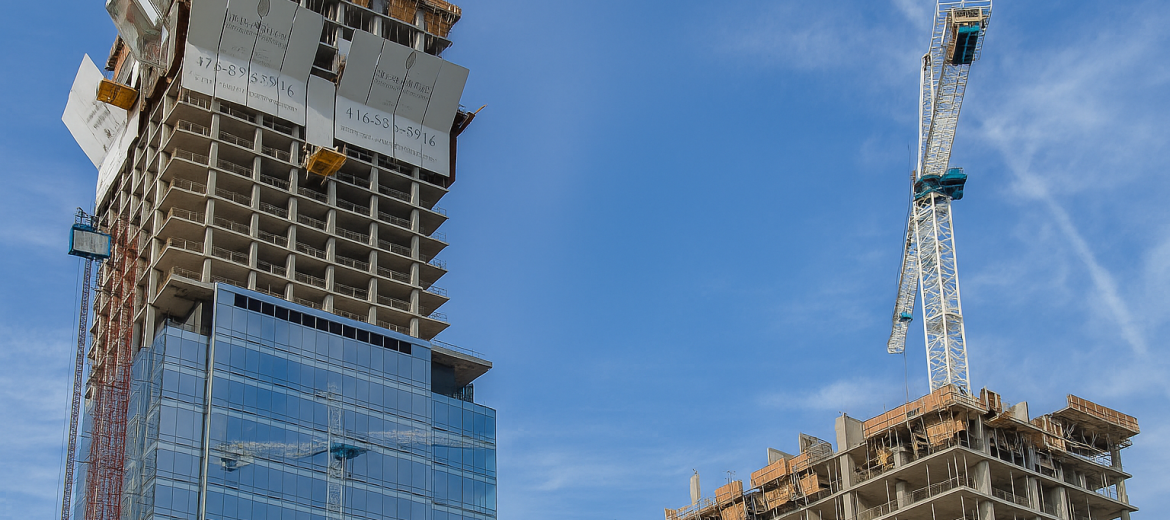
Adding extra floors in Kenya increases property value and usable space. A study by Nationwide Building Society found that extensions or loft conversions can raise a property’s value by up to 25%. However, vertical expansion requires a structural assessment to ensure safety. Structural Assessment and Load CapacityA structural engineer must evaluates if the existing structure […]
The Real Reason Some Buildings Crack — and How to Prevent It
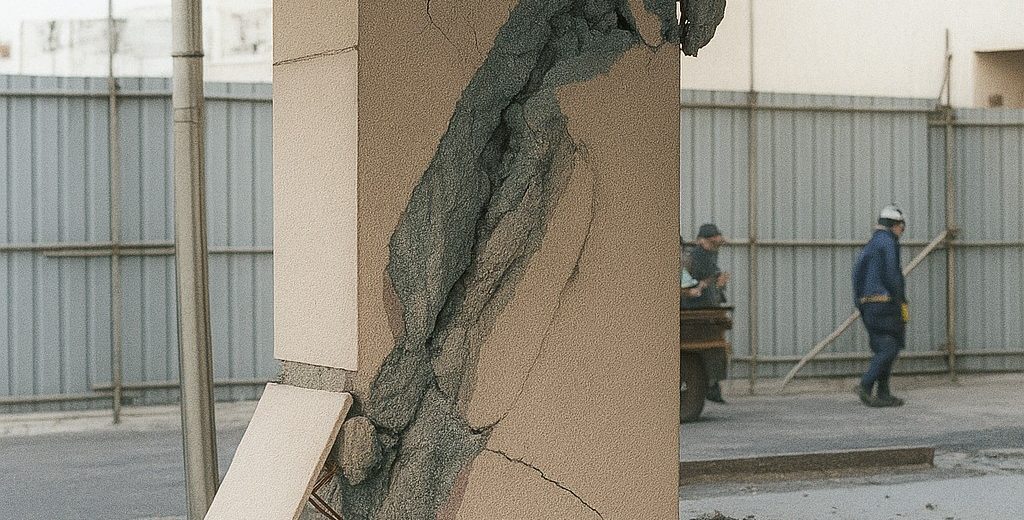
Why Buildings Develop CracksAccording to UK-based Property Buyers Today, visible wall cracks can reduce a property’s value: small hairline cracks by 3–5% and major structural cracks by 15–30%. While some cracks are minor surface marks, others signal serious structural issues, often resulting from poor design, foundation movement, environmental factors, weak materials, overloading, or aging. Early […]

Why Involving a Structural Engineer Early Saves You Millions Later
Improved Design EfficiencyInvolving a structural engineer early in your construction project in Kenya improves precision, constructability, and cost efficiency. Late involvement often results in impractical spans, poor column layouts, and expensive redesigns. Early collaboration ensures accurate load paths, optimized structural systems, and smooth coordination between architectural and structural designs. Optimized Cost and ScheduleEarly structural input […]

Discover How Structural Engineers Help You Save on Material Costs
Balancing Strength, Cost, and SustainabilityIn modern construction, structural engineers play a crucial role in selecting the best building materials to ensure durability, safety, and cost efficiency. Each project demands materials that balance strength, architectural requirements, cost, and local availability. Masonry provides insulation and long-term stability, timber is flexible and renewable, concrete delivers strong load-bearing capacity, […]
Kenya’s Residential Market: A Secure and Profitable Investment
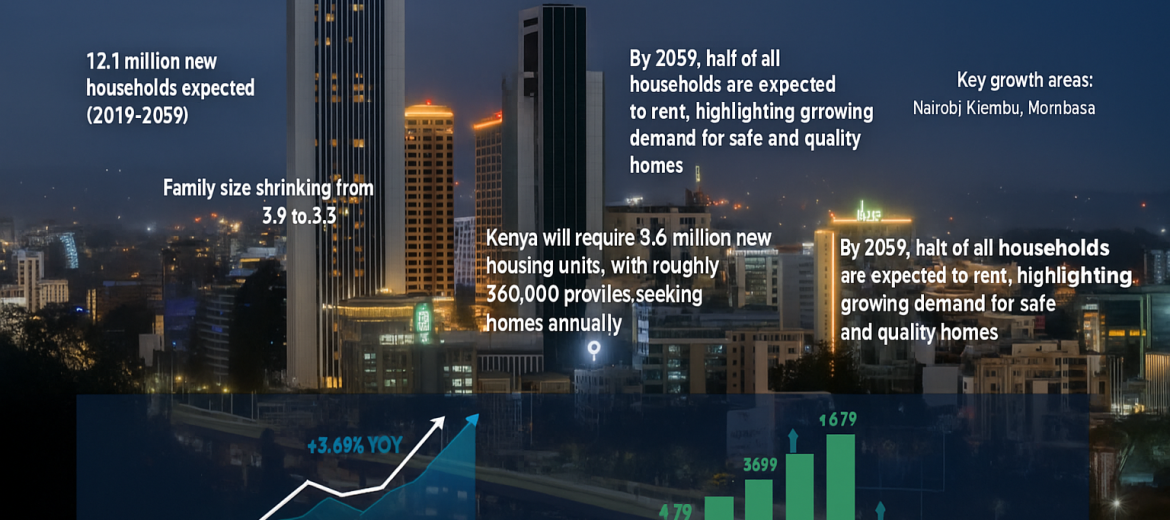
Steady Growth Signals Strong DemandKenya’s residential market continues steady growth. In H1 2025, residential sales prices rose 5.63% year-on-year, reflecting strong demand and a balanced market. According to centum, between 2019 and 2059, Kenya will add 12.1 million households, driven by urbanization and smaller family sizes, shrinking from 3.9 to 3.3 persons. By 2059, half […]