

Temporary Works Safety: Why It Matters on Construction Sites

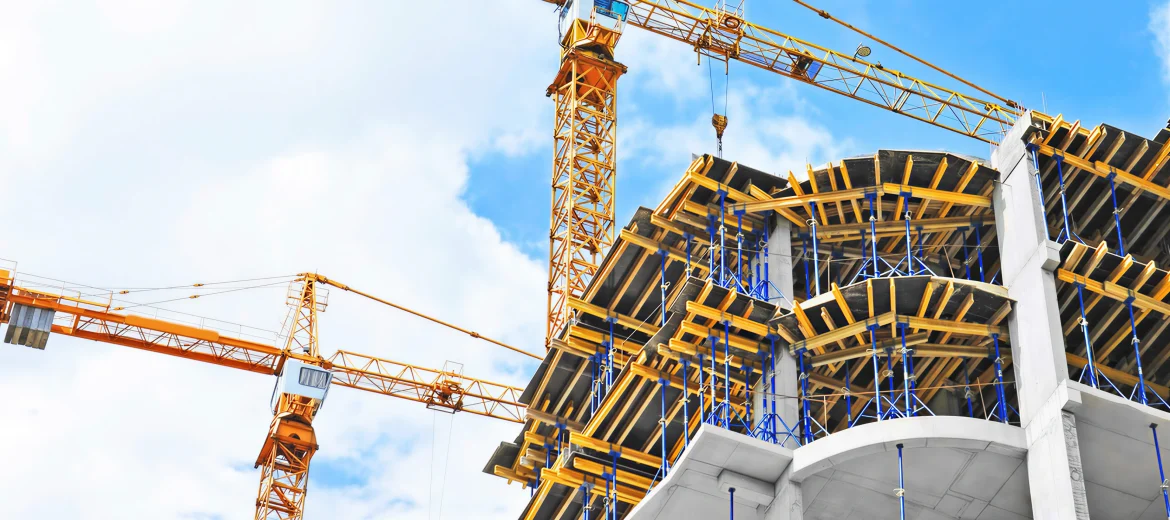
Temporary works such as scaffolding, formwork, and falsework operate under transient design situations, where structural engineers design for short-term, rapidly changing loads. These include fresh concrete pressure, construction equipment, worker loads, wind, and dynamic effects during pouring and stripping. Because these loads act briefly but can be severe, small errors in design assumptions, erection, or inspection can quickly trigger temporary works failure.
Lessons from the Karen Temporary Works Failure
The Karen incident revealed the devastating consequences of inadequate temporary works. Key issues included inadequate formwork design, substandard materials, and insufficient supervision, highlighting the importance of proper temporary works engineering, competent erection, and routine inspections to maintain construction site safety.
Why Temporary Works Safety Is Critical
Temporary works safety protects lives, prevents delays, and reduces legal liability. Proper temporary works engineering design, competent erection, routine inspections, and strict compliance with OSHA and industry safety standards are critical for controlling transient construction loads and protecting workers on site.
Leave A Comment