

Wind and Earthquake Safety in Kenya: What Every Building Owner Should Know

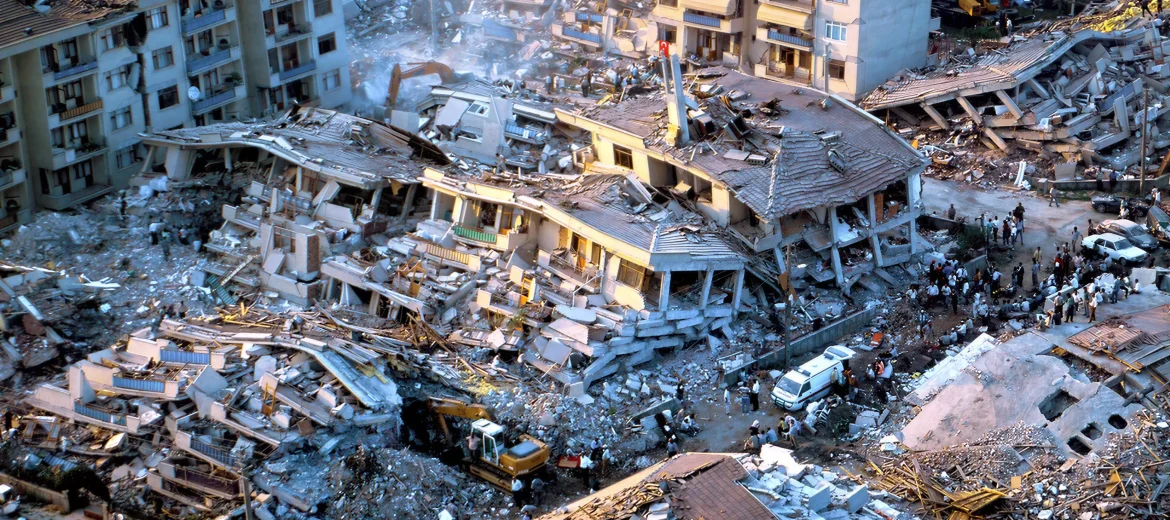
Understanding Wind and Seismic Loads
Wind and seismic loads are environmental forces that act laterally on buildings and are among the most unpredictable in structural design. Wind loads depend on height, terrain, exposure, and building geometry, while seismic loads arise from ground motion influenced by soil type, building mass, and ductility. If not properly analyzed, these forces can cause excessive sway, cracking, or collapse.
Why Proper Analysis Is Critical
Modern structural design codes require detailed wind load analysis and seismic load analysis to ensure safety and compliance. These analyses help engineers design structures that redistribute forces efficiently, reduce damage during earthquakes, and prevent failures such as roof uplift or foundation distress.
Protecting Lives and Long-Term Value
Proper wind and seismic design protects occupants, reduces repair costs, and extends building service life. For Kenyan building owners, investing in correct load analysis ensures safety, regulatory approval, and long-term economic efficiency.
Leave A Comment